Meet

Neura HQ,
Your connected AI Agent Workforce Know more


Email remains one of the highest-ROI channels for business communication and customer retention. However, managing, segmenting, and personalizing email campaigns for a massive audience can quickly become overwhelming.
Email marketing software helps solve this challenge. These tools allow businesses to automate, streamline, and personalize customer communication at scale, from initial lead nurturing to post-purchase follow-ups.
With so many tools claiming to improve open rates, boost conversions, or simplify automation, it can be difficult to choose the right one for your business.
To make that decision easier, we’ve compared five of the best email marketing platforms—ZEPIC, Klaviyo, Mailchimp, Omnisend, and HubSpot—so you can find the solution that fits your goals.





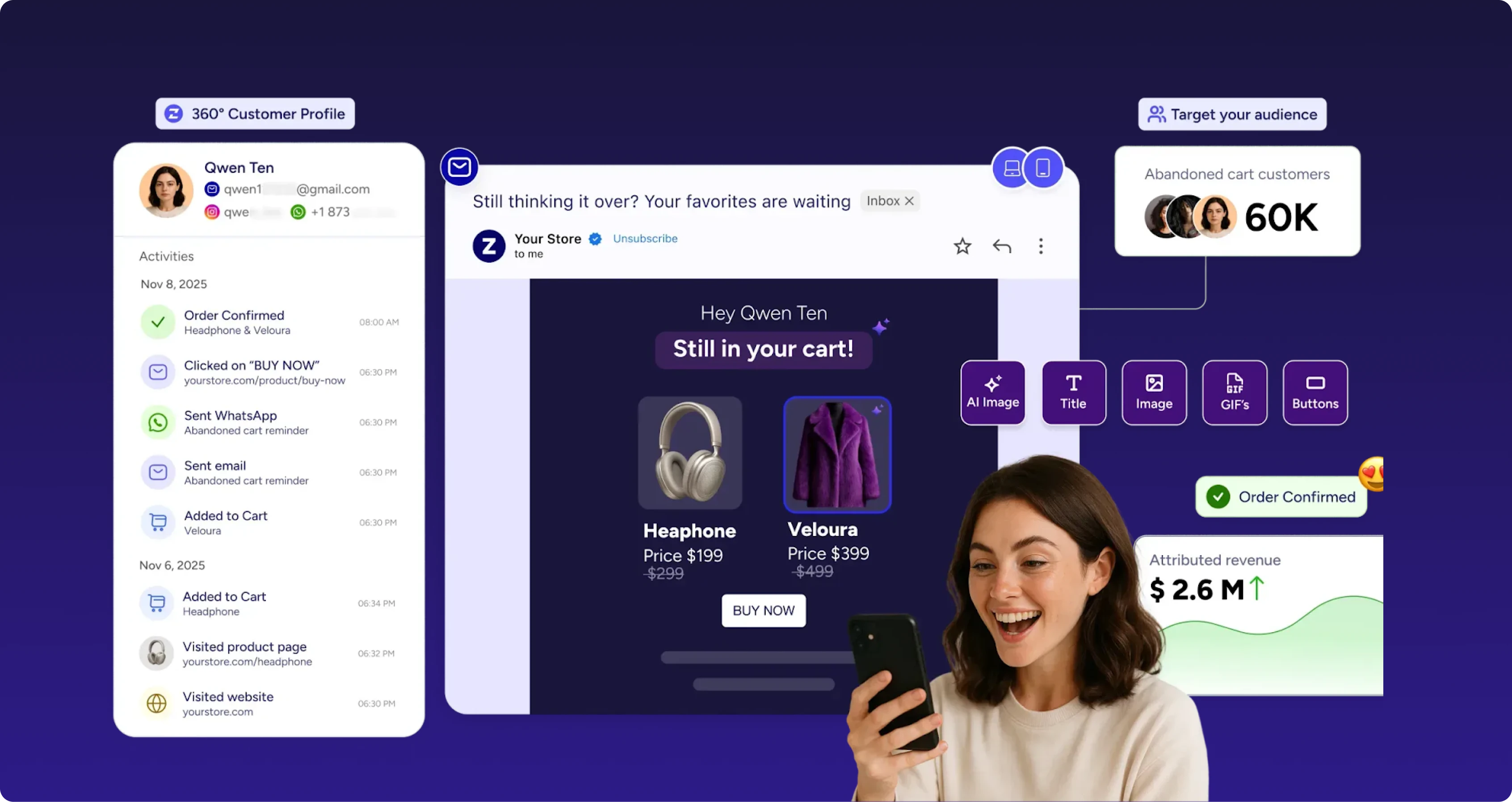
ZEPIC is an email marketing platform that redefines emails with an AI-first approach built for modern marketers. The platform unifies customer data, attributes revenue across every email touchpoint, and helps you treat email as a high-performing revenue channel. With Zenie, ZEPIC’s AI assistant, marketers can instantly generate campaigns, create dynamic segments, and personalize content at scale without any technical overhead. From automated welcome flows and re-engagement journeys to advanced Shopify metafield mapping, ZEPIC gives email marketers everything they need to launch smarter, revenue-driving email programs.
.png)

AI-powered automation reduces campaign creation time
Strong omnichannel capabilities (Email, WhatsApp and IG)
Real-time data activation drives more relevant messaging
Unified customer data platform at no extra cost
.svg)
.svg)
A/B testing is still in development
Smart feeds is coming soon




Flexible pay-as-you-go option
Free trial available
No long-term contracts required
.svg)
E-commerce stores
Travel & hospitality brands
Brands that need deep data-driven email automation integrated with omnichannel marketing.
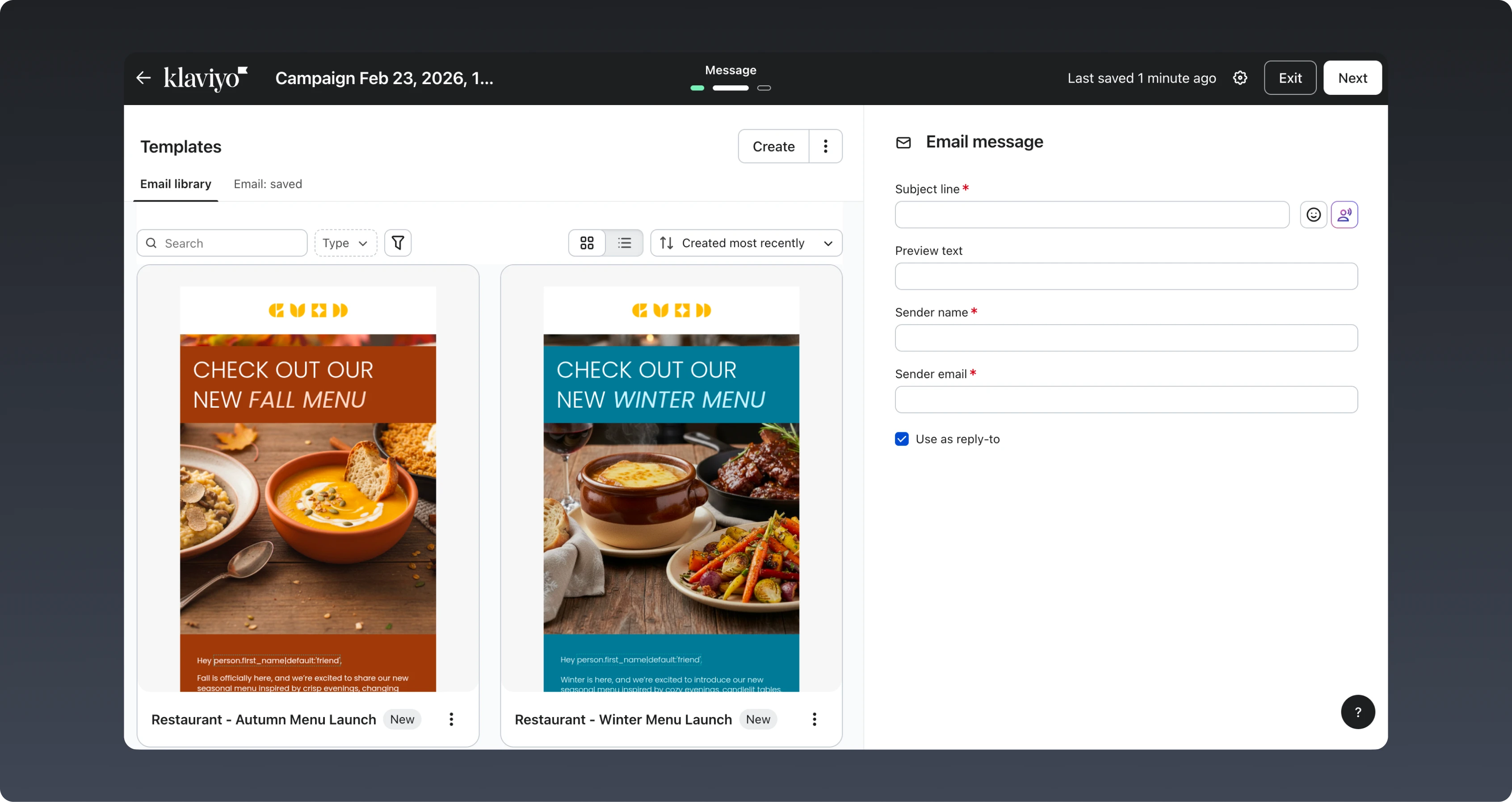
Klaviyo helps brands deliver targeted, behavior-based email campaigns through detailed segmentation and strong Shopify integration. Over the years, Klaviyo has expanded into additional channels like SMS, but its core strength still lies in email automation and predictive analytics. However, advanced features such as CDP-level data management come as paid add-ons, making the platform more costly as subscriber lists grow.
Strong email marketing capabilities
Good integration with Shopify and other eCommerce platforms
Solid reporting tools for email campaigns
Excellent product recommendations feature
CDP functionality comes with an additional fee
No data transformation capabilities
Contact-based pricing becomes expensive as you scale


Contact-based pricing starting at $45+
No pay-as-you-go option
Free trial available
Retail and D2C brands focused on email + SMS performance
Businesses that rely heavily on behavior-driven email automation and predictive insights
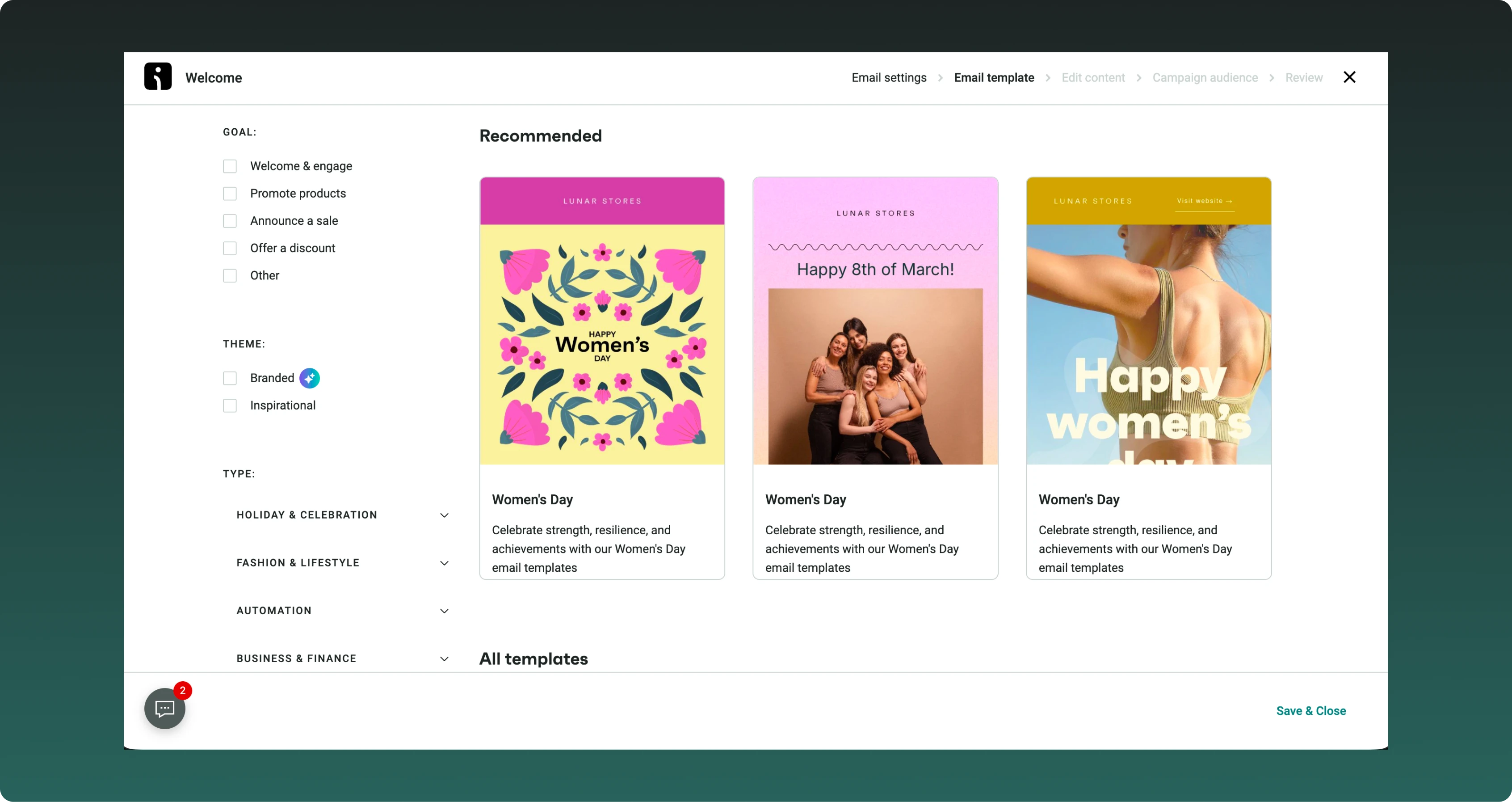
Omnisend is an email and SMS marketing platform designed primarily for small to mid-sized eCommerce brands. It focuses on simplicity, speed, and ease of use, offering plug-and-play automation workflows and beginner-friendly campaign tools. While not as advanced in data depth or segmentation as Klaviyo or ZEPIC, Omnisend remains a popular choice for teams needing fast execution without complex setup.
Very beginner-friendly; fast setup
Affordable pricing for small to mid-sized stores
Supports email, SMS, and push notifications
Limited advanced segmentation and personalization
Less robust analytics compared to other players
Not designed for complex omnichannel automation
Free forever plan with limited emails
Standard plan starts at $16
Pro plan starts at $59
Small to mid-sized eCommerce stores
Brands wanting fast, simple email + SMS automation
Teams prioritizing ease of use over deep data capabilities
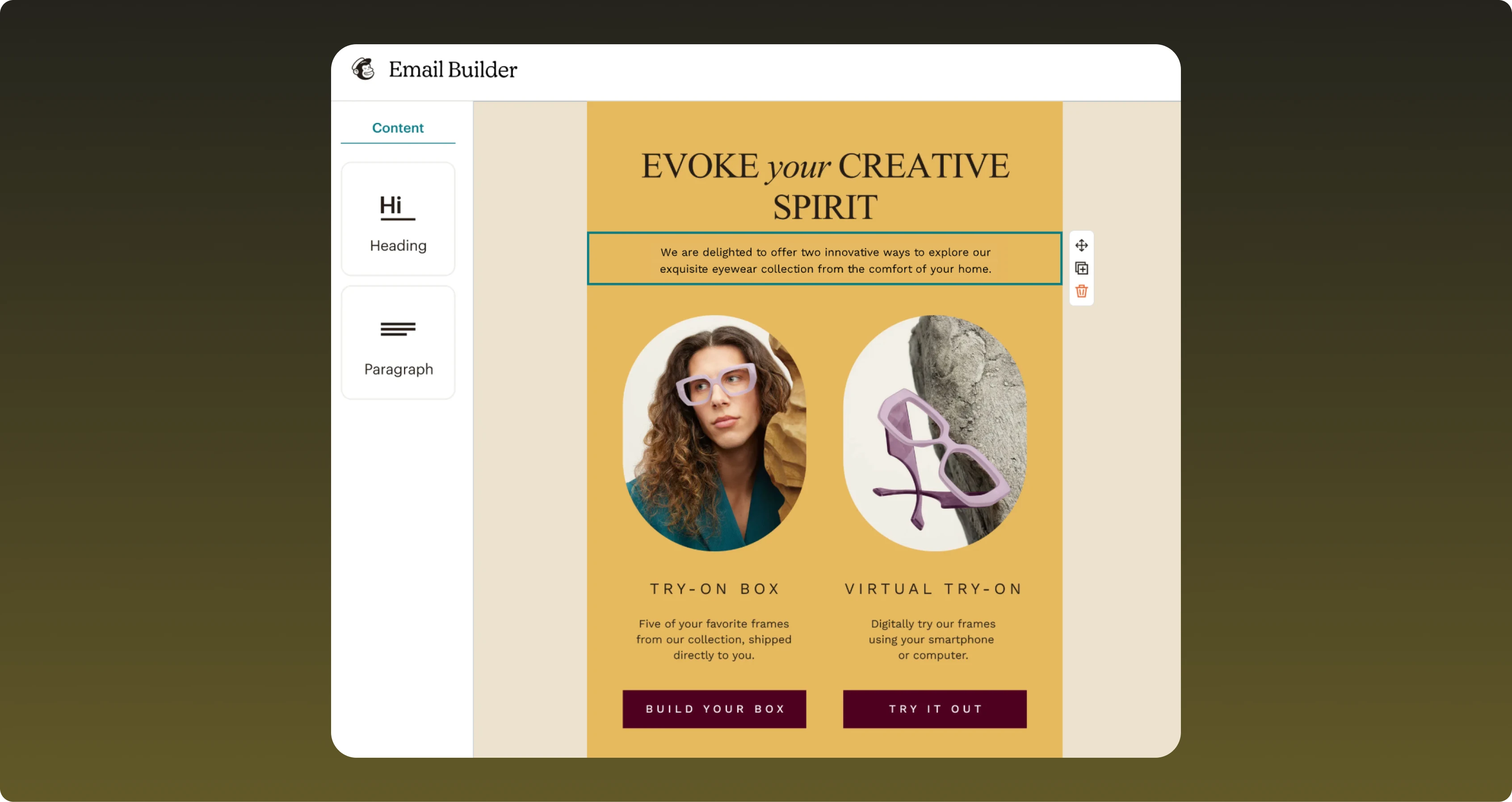
Mailchimp is a widely adopted email marketing tool best suited for small businesses, creators, and service brands. It provides strong templates, basic automation features, and an easy-to-use email builder. While Mailchimp supports eCommerce through integrations, its automation and personalization depth are limited compared to eCommerce-focused platforms.
User-friendly interface ideal for beginners
Generous free plan for small businesses
Solid template library with good customization
E-commerce-specific features less robust than specialized platforms
Advanced automation requires higher-tier plans
Contact-based pricing can get expensive quickly

Free tier available with limitations
Tiered pricing based on contacts and email volume
Add-ons required for advanced features
Small businesses
Brands that send out a lot of email newsletters
Service businesses needing simple campaigns without deep automation
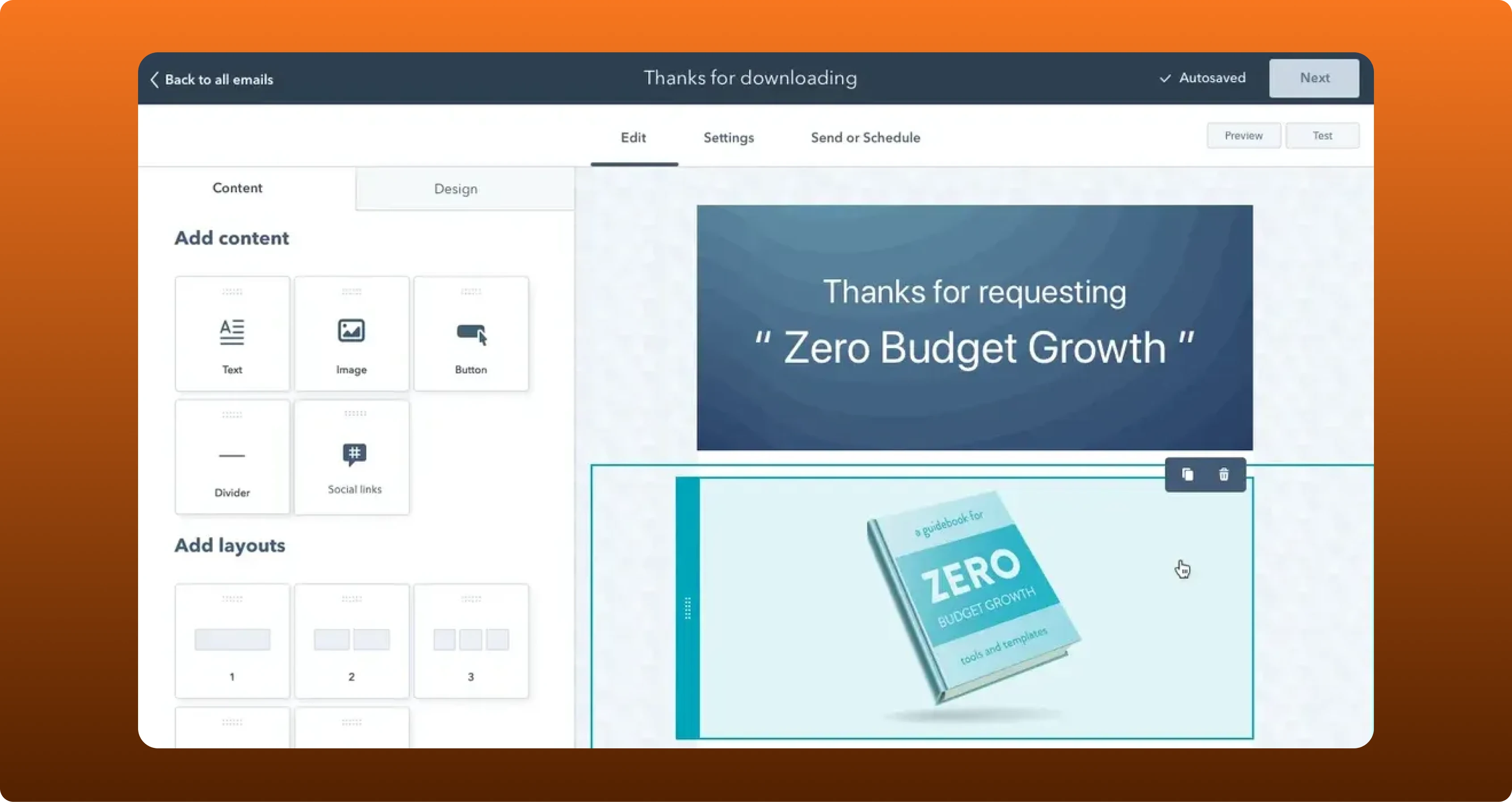
HubSpot is an all-in-one CRM and marketing automation platform widely used by B2B and service-based businesses. Its email marketing capabilities are strongest when paired with its CRM data, enabling sophisticated nurturing journeys. While HubSpot offers powerful workflows, it's not optimized for eCommerce-specific behaviors like catalog sync or SKU-level personalization.
Strong CRM and email marketing combination
Ideal for B2B lead nurturing and long sales cycles
Excellent reporting and attribution
Robust automation engine
Expensive as contacts and features scale
Not built for eCommerce-first automation
Complex for non-technical teams without onboarding
No native product catalog personalization

Free CRM with basic email features
Advanced email workflows in paid Marketing Hub tiers
Annual contracts for premium plans
B2B companies and SaaS businesses
Service-based businesses with CRM-driven workflows
Teams needing integrated sales + marketing automation
.png)
Email marketing platforms function as sophisticated control centers for customer communication. Most platforms help capture real-time data from various sources (CRM, e-commerce, website), use that information to segment audiences, and then deploy highly personalized messages.
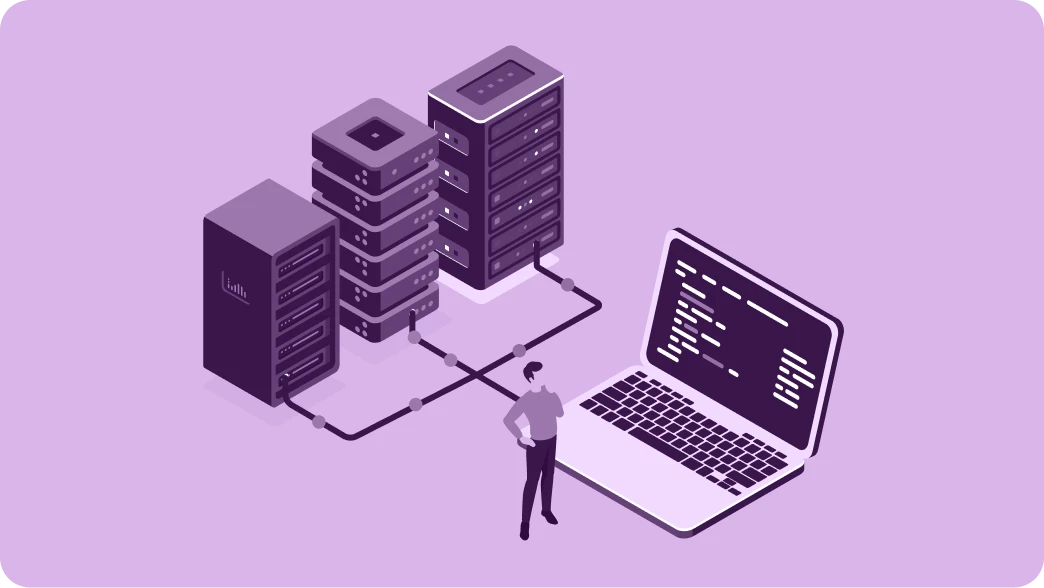
Email marketing software allows you to ingest data from various sources, including e-commerce platforms and CRM systems.

Advanced email marketing tools let you filter and group subscribers based on granular behavioral data, purchase history, and demographics.
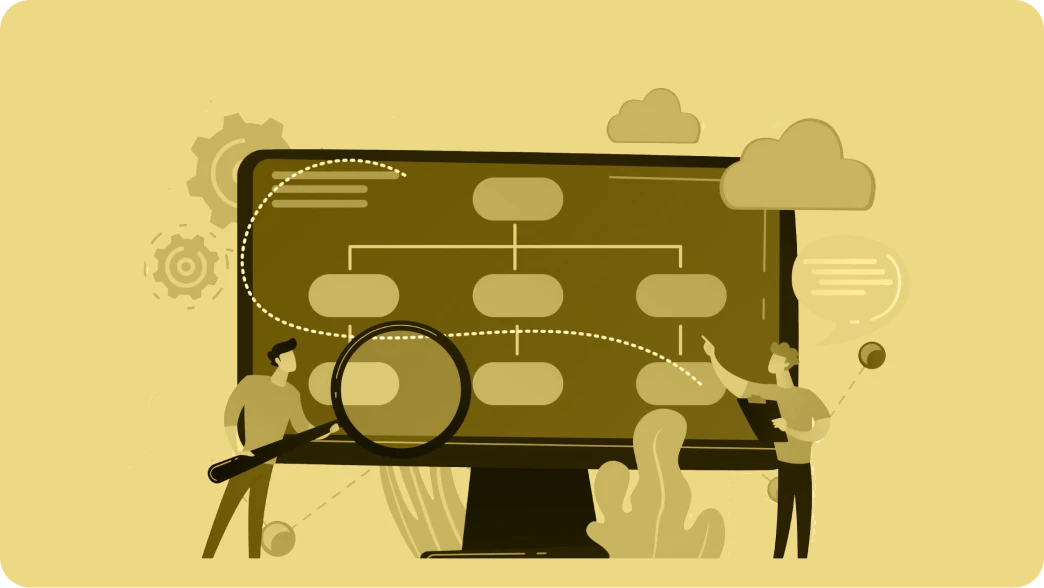
Drag-and-drop builders let you create automated workflows that trigger the right email at exactly the right moment.
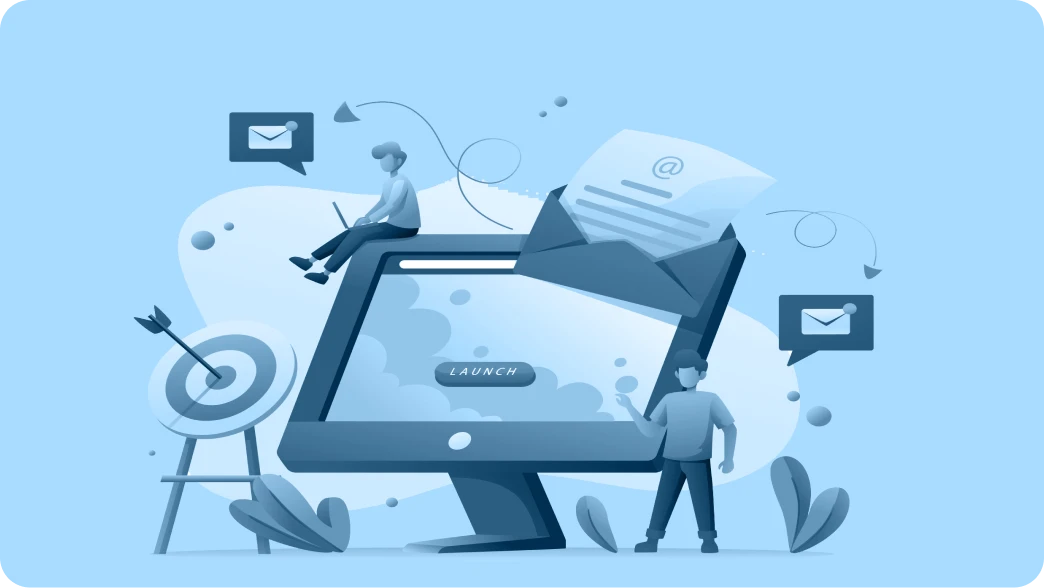
Pre-built templates and a simple drag-and-drop editor make it easy to create mobile-responsive, on-brand emails without needing a designer.
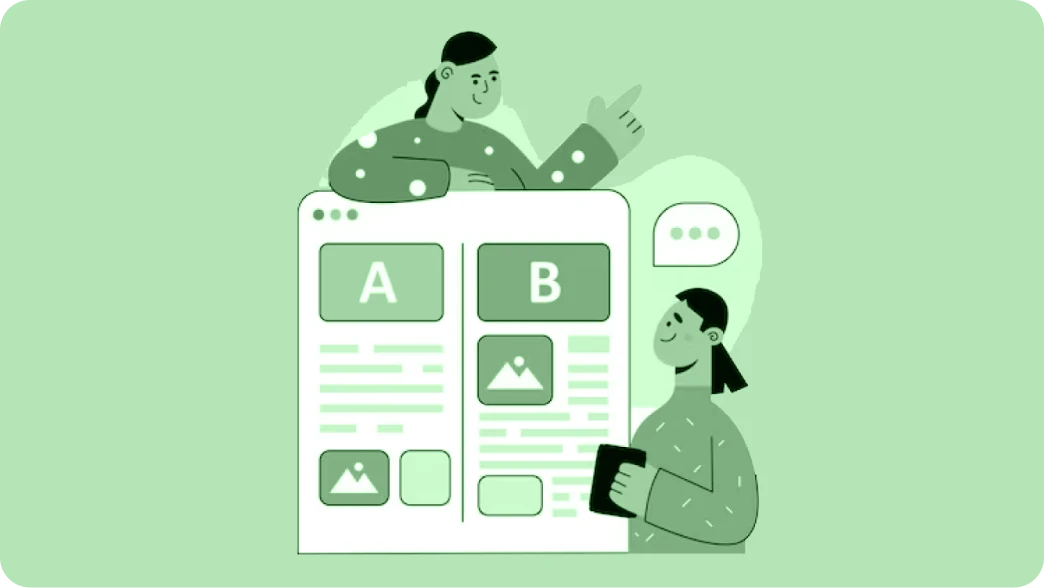
Most platforms let you test different different variables—subject lines, content blocks, or optimal send times—against audience segments.
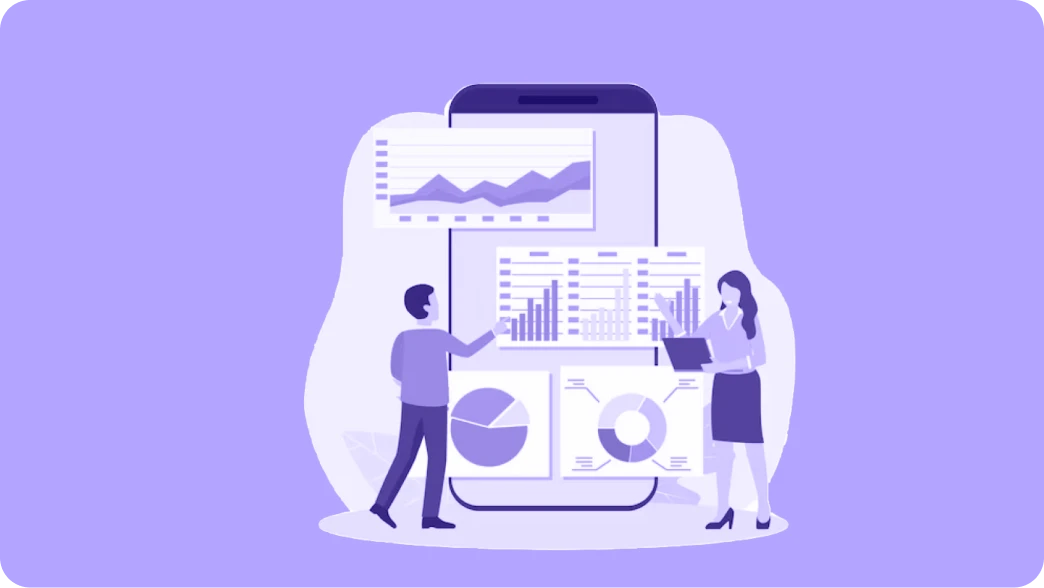
The system tracks crucial metrics like open rates, click-through rates, conversions, and revenue attributed to specific emails.


Choosing the right email marketing software goes beyond picking a tool that sends email newsletters or transactional emails. Modern businesses need software that unifies data, automates complex journeys, and delivers personalized experiences at scale. Here’s what to look for:

Sends automated emails when users browse, add to cart, or purchase.

Builds welcome flows, recovery sequences, and retention campaigns effortlessly.

Ensures emails fire instantly based on user actions.

Guarantees emails display perfectly on any screen size.

Personalizes content blocks (text, images, offers) for each recipient within a single email.

Offers tools to generate or optimize subject lines and body copy.

Natively integrates with platforms like Shopify and CRM systems to access data.

Allows you to Insert product blocks and recommendations easily.

Triggers emails based on real shopper activity and purchase history.

Provides setup guides for SPF and DKIM to maximize inbox placement.

Offers reporting on bounce rates, spam complaints, and list hygiene.

Features built-in tools for tracking and managing user consent.

Measures opens, clicks, conversions, and revenue.

Shows which emails directly influence sales and engagement.
.svg)
Highlights user trends to optimize future campaigns.

Connects email with WhatsApp, SMS, and Instagram for consistent communication.

Sends follow-ups on one channel based on activity from another.

Combines data from all channels for a complete customer view.



Basic tools can’t tailor emails beyond simple tags.

Use platforms with dynamic content and behavior-driven logic.

Higher engagement and more relevant customer experiences.

Data lives across multiple systems, making segmentation difficult.
Choose tools with unified profiles or CDP-grade data syncing.
More accurate targeting and improved campaign performance.
.webp)
Poor sender reputation leads to spam folder placement.
Use platforms with built-in deliverability tools and list hygiene.
Higher inbox placement and better campaign ROI.
.webp)
Large lists and multiple workflows can slow down operations.
Adopt email platforms optimized for high-volume automation.
Consistent performance and reliable delivery even as the business grows.

Some platforms require technical knowledge to set up advanced automation.
Choose tools with intuitive builders and pre-built, plug-and-play workflows.
Faster onboarding and quicker time-to-value.
.webp)
Email works in isolation from Instagram, WhatsApp, or other channels.
Use platforms that support multichannel orchestration and unified profiles.
Smoother experiences and higher conversions across all touchpoints.
From onboarding new subscribers to re-engaging inactive buyers, modern email marketing platforms help brands automate touchpoints and deliver relevant, timely communication at scale. Here are the most common use cases and how the right tools solve them.
Recover lost revenue by reminding shoppers to complete their purchase with personalized cart recovery emails.

.svg)
Shoppers leave mid-checkout with no follow-up.
Manual reminders are inconsistent.
Hard to personalize messages based on cart contents.
No visibility into which carts convert.


Automated cart recovery sequences.
Dynamic product blocks showing items left behind.
Behavior-based triggers for timely nudges.
Revenue attribution to track recovered sales.
Convert new subscribers into engaged shoppers from day one with well-structured welcome emails and product walkthroughs.
New leads don’t know brand value or product range.
Manual welcome messages create delays.
Inconsistent brand voice across emails.
Hard to keep users warm during early engagement.
Automated welcome series with timed sequences.
Pre-built templates for consistent messaging.
Personalization using signup source or first touchpoint.
Engagement tracking to guide next steps.
Strengthen loyalty and boost repeat purchases after the first order with post-purchase emails that guide the users.
Customers drop off after one purchase.
No structured way to educate or cross-sell.
Support queries increase without proactive communication.
Limited insight into product satisfaction or next-buy intent.
Automated thank-you and education flows.
Product recommendations based on purchase behavior.
Delivery updates and review prompts.
Segmentation for repeat vs. one-time buyers.
Re-engage inactive subscribers and reduces churn with win-back emails, newsletters, and personalized recommendations.
Hard to identify when users are slipping away.
Generic emails fail to rekindle interest.
No structured flow to revive cold leads.
Declining engagement affects deliverability.
Automated win-back sequences.
Personalized offers based on past activity.
AI or rule-based churn prediction.
Engagement scoring to target the right segment.
Boost AOV by suggesting relevant items based on customer behavior and interests
Manual upsells feel inconsistent and time-consuming.
Difficult to tailor recommendations to individual users.
No insight into what products customers are viewing.
Poor matching reduces conversion potential.
Dynamic recommendation blocks pulled from product catalogs.
Behavioral triggers (browse intent, repeat purchase signals).
Segmentation by category interest to increase upsells.
Real-time personalization for each user.
Convert browsers into email subscribers and nurtures them into customers
Low opt-in rates without personalized incentives.
Hard to track where leads come from.
Manual list entry leads to errors.
Fragmented data across pop-ups, ads, and landing pages.
Automated lead capture forms and pop-ups.
Unified customer profiles synced with CRM.
Segmentation based on signup source.
Welcome flows triggered instantly after signup.

Perfect for brands that want to automate lifecycle journeys, recover revenue, and deliver personalized product recommendations at scale.
.svg)
Enables personalized itineraries, booking reminders, follow-ups, and promotional sequences for hotels, tours, and travel experiences.
.svg)
Ideal for clinics, salons, agencies, and consultancies that rely on appointment reminders, lead nurturing, and follow-up automation.
.svg)
Helps teams nurture leads, educate prospects, and guide them through long sales cycles with targeted sequences.
.svg)
Great for newsletters, course launches, community updates, and automated onboarding for new subscribers.
.svg)
Ideal for brands offering monthly boxes, memberships, or recurring services that rely on automated billing reminders and retention flows.
A CRM is primarily for sales and managing interactions. A CDP is built for marketing; it collects and unifies data from all sources (web, app, e-commerce, CRM) in real-time. If you need hyper-granular segmentation and real-time behavioral triggers across channels, a CDP (or an ESP with built-in CDP features) is often required.
Measuring omnichannel ROI means looking beyond single-channel performance to understand the full impact of your marketing efforts. It starts with tracking Customer Lifetime Value (CLV) to assess the long-term worth of each customer. You also need to analyze conversion rates across all integrated channels to see how they work together to drive results. Most importantly, applying multi-touch attribution models helps you accurately credit every touchpoint along the customer journey.
Data privacy is essential in omnichannel marketing. Because these strategies depend on collecting and unifying customer data, it’s critical to comply with regulations like GDPR and CCPA. Adhering to these standards protects customer trust, safeguards sensitive information, and ensures your data practices remain transparent and ethical.
Absolutely. Small businesses can start by focusing on their most important customer touchpoints and using affordable, integrated tools. Even managing just a few well-coordinated channels can significantly boost customer engagement and retention.

%201.png)