Meet

Neura HQ,
Your connected AI Agent Workforce Know more



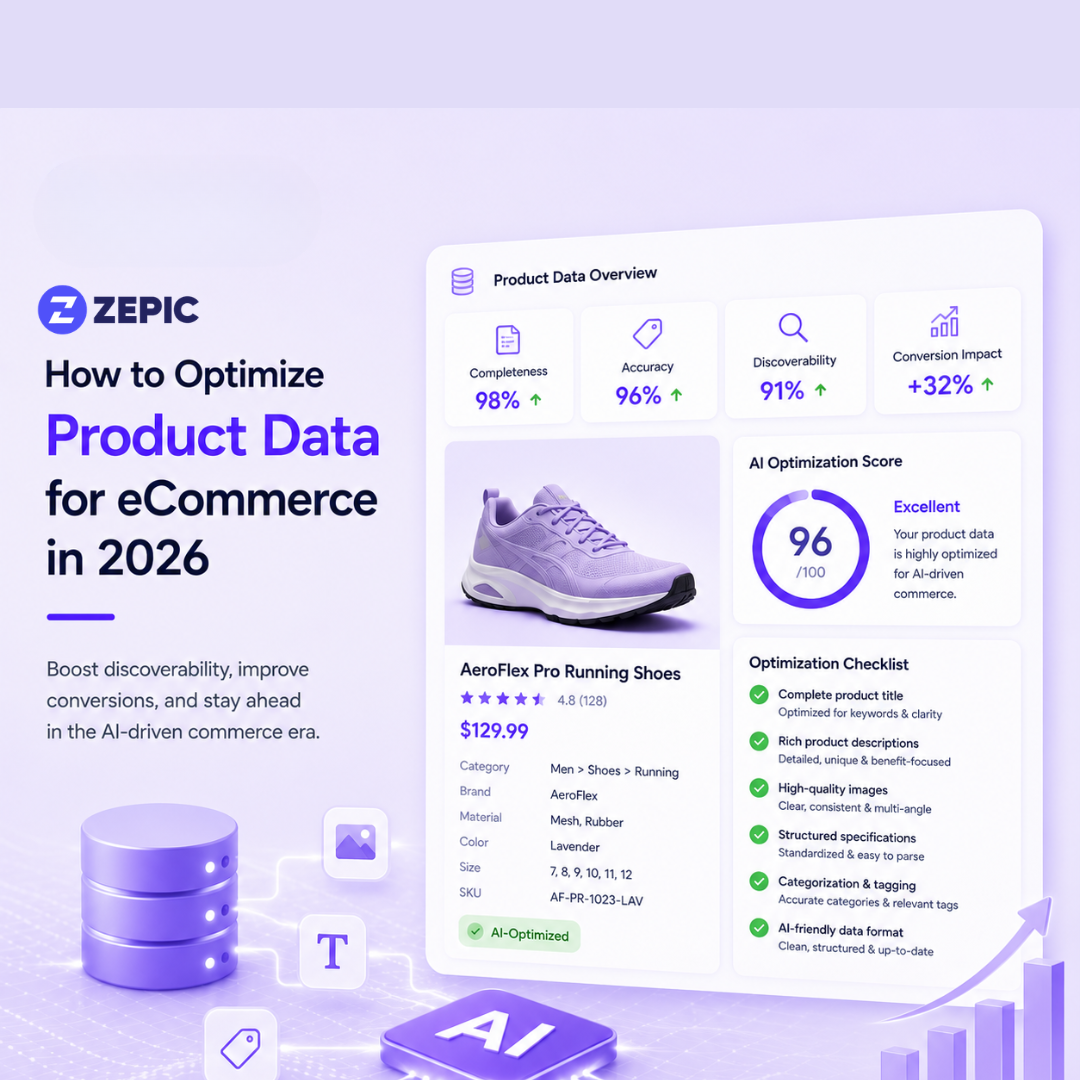
TL/DR:
Shoppers used to hunt deals themselves, tab-hopping across sites. Now, AI agents do the legwork, comparing specs and snagging carts before you blink.
Welcome to the era of Acommerce, or Agentic Commerce. In 2026, the primary "customer" on your website might not be a human with a credit card, but a sophisticated AI agent with a mandate to find the best value, the fastest shipping, or the most sustainable materials.
For brands, this shift demands a rethink of their overall strategy.
Did you know that nearly 40% of routine household purchases are now initiated or fully managed by AI agents? This is a total re-mapping of the traveler and shopper journey.
Acommerce flips e-commerce on its head. Think of it as the automation of the decision-making process. While e-commerce puts the store on your screen, Acommerce puts a digital concierge in your pocket that actually does the shopping for you. Instead of just suggesting products, AI agents reason and execute purchases autonomously based on a user’s pre-set preferences.
For example, you can simply tell your agent: "Restock my eco-friendly running gear under $100." It scans feeds, weighs reviews, checks stock, and buys.
McKinsey predicts this agent-driven spend could hit $1 trillion in the US alone by 2030.
The reason for this explosive growth is simple: Decision Fatigue. The average consumer is currently bombarded with over 10,000 brand messages a day. We’ve moved past informed choice into information paralysis.
AI agents are the antidote. Unlike humans, these agents don't get distracted by flashy banners or "limited time" countdown timers. They are immune to the psychological nudges that marketers have relied on for decades. They compare technical specifications, shipping logistics, and historical price data in milliseconds. For the consumer, it’s a massive time-saver; for the brand, it’s a shift from convincing a person to proving your value to a processor.
Keywords and flashy banners have become old news. Agents bypass search bars and pull data from structured product feeds, API endpoints, and marketplaces. Discovery has turned programmatic and deeply personal. In the old world, a brand’s visibility was tied to its ability to win a bidding war for the top of a search results page.
In the world of Acommerce, ranking is replaced by relevance. If an agent is looking for a "hypoallergenic, navy blue cotton polo with recycled buttons," it doesn't matter if your brand is the biggest in the world; if your data doesn't explicitly confirm those four attributes, you are effectively invisible.
AI agents prioritize logic over lyrics.
Your homepage is your digital flagship, but your product data feed is the new front window. In 2026, the aesthetic beauty of your landing page is secondary to the technical accuracy of your metadata. If a machine is trying to determine if your "Midnight Azure" shirt is actually "Dark Blue," and your data doesn't specify the hex code or a standardized color category, the agent will skip you for a more transparent competitor.
To survive in this machine-first marketplace, e-commerce teams are overhauling their data strategies. Here is how the winners are optimizing for the 2026 landscape:
When hype fades, data endures.
A brand is no longer defined by a high-budget Super Bowl ad, but by the reliability of its data. Differentiation is shifting from emotional resonance to technical authority. When an AI agent recommends a brand, it is essentially providing a certification of truth.
Think about what that means in practice. Two running shoe brands. Similar price point. Similar specs. But one has 47 structured product attributes, verified sustainability certifications in its feed, and tagged compatibility with popular fitness trackers. The other has a great Instagram grid and a heartwarming founder story buried on an About page. The agent picks the first—every time.
The paradox here is worth sitting with: building for machines is what earns human trust. When an AI agent consistently recommends your product, its human users start to associate your brand with reliability, not because of a campaign, but because the data holds up under scrutiny.
The brands that will lead in Acommerce won't just optimize product listings. They'll build the kind of data infrastructure that makes every agent interaction a proof point.
Invisibility is the most immediate risk. If your product catalog lacks structured data and schema markup, AI agents simply can't surface you, regardless of how much you spend on ads or how strong your brand awareness is. You're not losing to a better campaign; you're losing to a better spreadsheet.
Then there's the commoditization trap. When agents compare products with incomplete differentiation data, they default to price. If your product looks equivalent to a cheaper competitor's because you haven't surfaced what makes it different, the agent recommends the cheaper one. Do that at scale across millions of queries, and you have a structural margin problem, not a marketing problem.
There's also a trust erosion risk that's harder to recover from. AI agents scrape third-party reviews, forum discussions, and return rate signals when making recommendations. Negative feedback patterns that a human shopper might scroll past will be weighted and surfaced by agents. The brand that ignores this doesn't just lose a sale, but gets de-prioritized by the agent layer until the underlying issue is fixed.
McKinsey estimates that agentic commerce could redirect $3 to $5 trillion in global retail spend by 2030. Brands on the wrong side of that shift will lose share to competitors who treat data as a core product.
If you’re feeling a bit algorithm-anxious, don't worry. The transition to Acommerce is a marathon, not a sprint. Here is your immediate action plan to ensure your brand is machine-ready:
"Retail therapy is buying things you don't need with money you don't have." - Mokokoma Mokhonoana
The rise of Acommerce doesn't mean humans will stop shopping. We will still visit physical stores for the sensory experience and browse luxury sites for the "vibe." But for the functional, everyday decisions that take up 80% of our mental bandwidth, we are handing the keys to our digital assistants.
To win in 2026, your brand needs to be "machine-readable" and "human-reliable." It’s about being the most helpful answer in a world where the person asking the question is an algorithm.
At ZEPIC, we understand that the future of commerce isn't just about the transaction; it's about the data orchestration behind it. When your customer insights and product data live in harmony, you don't just survive the age of AI agents—you lead it.
Ready to see how your brand can bridge the gap between human shoppers and AI agents? Let’s chat about your data strategy.

%201.png)



.jpg)
.jpg)


